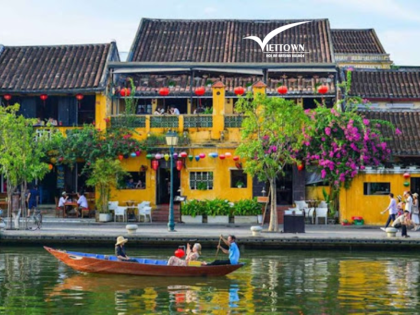
Hoi An, a precious gem of Central Vietnam, stands out for its cultural heritage, which was recognized by UNESCO as a World Cultural Heritage Site in 1999. Located along the poetic Thu Bon River, Hoi An Ancient Town has preserved its more than 400-year-old architecture, harmoniously blending Vietnamese, Chinese, Japanese, and Cham cultural influences. Beyond being a popular tourist destination, Hoi An cultural heritage serves as a living testament to centuries of cultural and commercial exchange along the historic Maritime Silk Road.
If you are planning a trip to Hoi An, this article will guide you through an in-depth exploration of its history, architecture, festivals, and heritage preservation efforts. Discover why Hoi An attracts over five million visitors each year, especially in 2026, when a series of new cultural events are set to take place.
1. The Formation History of Hoi An Cultural Heritage
1.1 Hoi An - A Prosperous Trading Port in the 16th -17th Centuries
Hoi An cultural heritage dates back to the 16th century, when Hoi An then known as Faifo was one of the busiest seaports in Southeast Asia. Merchants from Japan, China, India, and Europe gathered here to trade silk, ceramics, and spices. By the 17th century, Hoi An had become a major commercial hub of the ancient Cham Pa Kingdom and later the Nguyen Dynasty.
.png)
In 1999, UNESCO inscribed Hoi An Ancient Town on the World Heritage List due to its exceptional historical value. The preserved area covers approximately 30 hectares and includes over 1,000 heritage sites, ranging from ancient houses to communal assembly halls, reflecting a rich cultural fusion. Today, Hoi An cultural heritage is not merely a relic of the past but also a source of inspiration for sustainable tourism development.
2. Iconic Heritage Sites of Hoi An
2.1 Hoi An Ancient Town
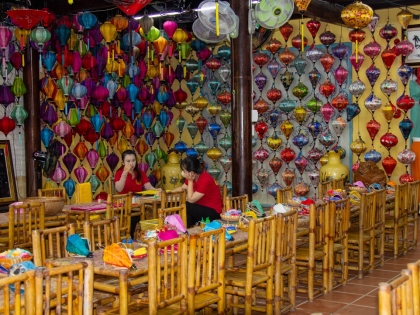
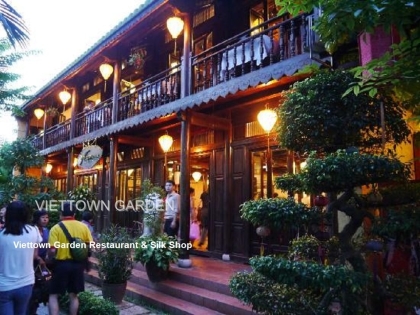
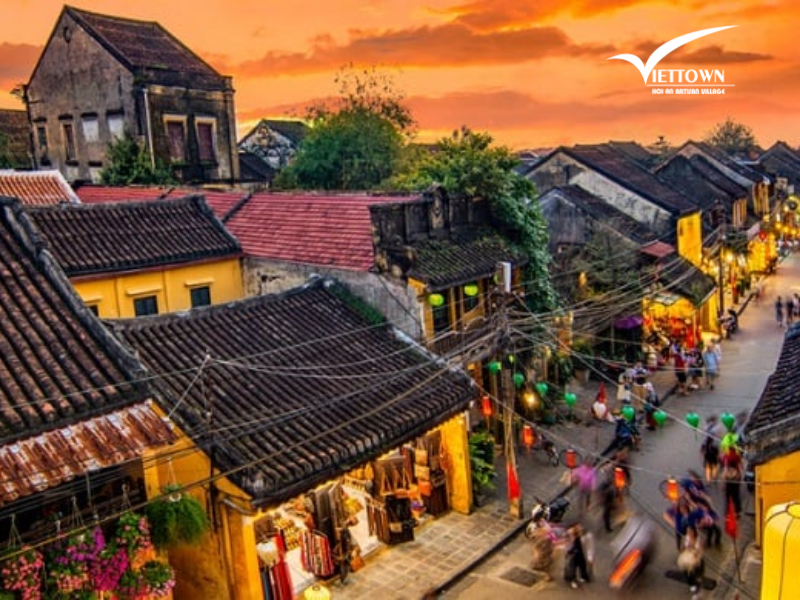
Hoi An Ancient Town is the core area of Hoi An cultural heritage, featuring narrow streets paved with bluestone and rows of timeworn shophouses. Strolling along Nguyen Thi Minh Khai or Tran Phu streets, visitors can feel the nostalgic atmosphere through the signature yellow lime walls and colorful lanterns hanging overhead.
Notable highlights include:
-
Tan Ky Ancient House: Built in 1740, renowned for its exquisitely carved wooden interior and the legacy of seven generations of the same family.
-
Japanese Covered Bridge: A masterpiece of hybrid architecture, open 24/7 and a favorite spot for photography.
-
Fujian Assembly Hall: A sacred site dedicated to the Seven Fairies, adorned with vivid murals and intricate decorations.
2.2 Museums and Historic Temples
Hoi An is also home to various museums, such as the Museum of Folk Culture, which displays Cham Pa artifacts and royal ceremonial costumes. The Quan Cong Temple, dedicated to the Chinese god of war, features over 200-year-old ironwood architecture. These heritage sites are not only visually impressive but also narrate stories of religious harmony and cultural coexistence in Hoi An.
.png)
2.3 Festivals and Traditional Practices
Hoi An cultural heritage is preserved through vibrant traditional festivals. The Lantern Festival, held on the 14th day of every lunar month, transforms the ancient town into a sea of light, drawing visitors to release floating lanterns along the Hoai River. In 2026, Hoi An is expected to host the 20th Hoi An Cultural Heritage Festival in June, featuring lion dances, traditional music performances, and street art exhibitions.
Other notable festivals include:
-
Thien Hau Holy Mother Festival: Held in the third lunar month, honoring the goddess believed to protect sailors and traders.
-
Quang Nam Heritage Festival: A biennial event blending contemporary music with traditional folk art.
These events not only help safeguard Hoi An cultural heritage but also promote community-based tourism, enabling local residents to earn a living through homestays and guided tours.
2.4 Cuisine – An Integral Part of Hoi An Heritage
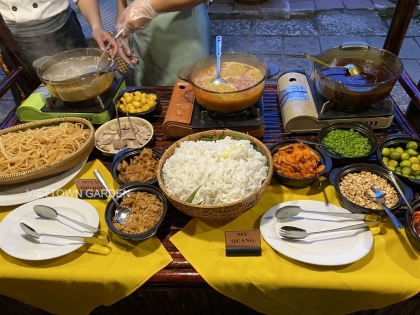
Hoi An cuisine is often described as a “living heritage” closely tied to its cultural identity. Signature dishes include rustic Quang noodles with shrimp and pork, chewy cao lau noodles influenced by ancient Japanese soy sauce techniques, and the world-famous Phuong baguette. At Con Market or along Bach Dang night food street, visitors can savor local sweet corn dessert or flavorful wonton soup.
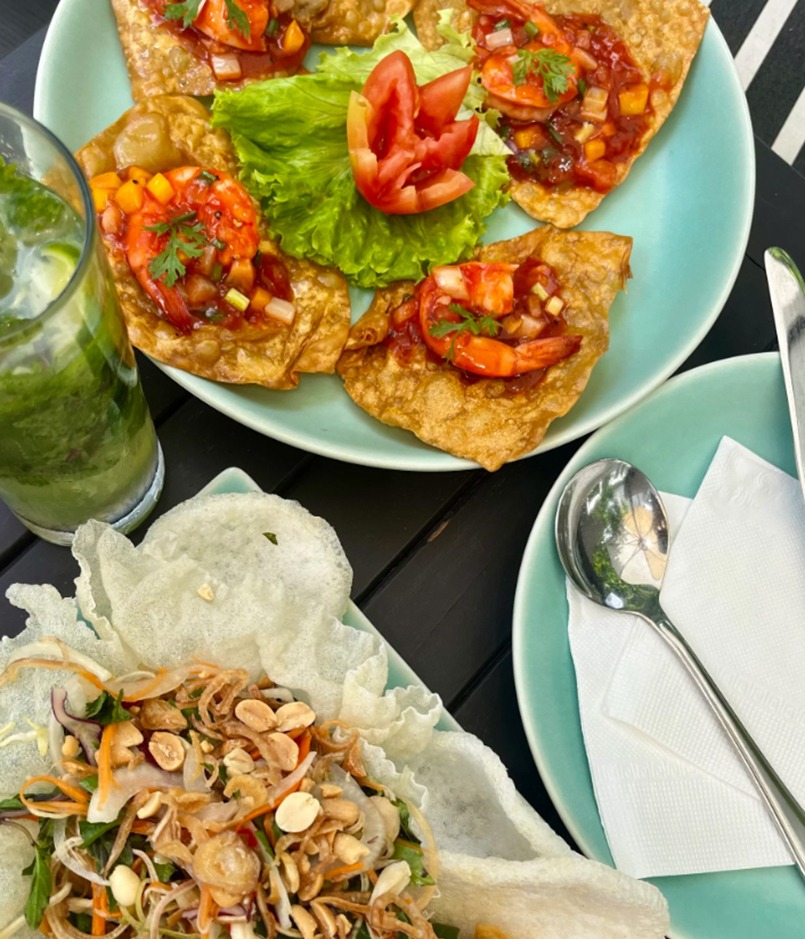
Through its cuisine, Hoi An cultural heritage reflects cultural exchange: cao lau traces its origins to Fujian merchants, while banh vaca dates back to the French colonial period. In 2026, night food tours are expected to be enhanced with QR code–based guide apps, making culinary exploration more accessible for visitors.
2.5 Heritage Preservation and Sustainable Tourism in Hoi An
Hoi An faces challenges from urbanization and climate change; however, Quang Nam authorities invest over 100 billion VND annually in preserving Hoi An cultural heritage. Policies such as banning motorbikes in the ancient town, restricting new construction, and promoting the “Hoi An - Living City” initiative encourage active community participation in conservation efforts.
3. Conclusion
Hoi An cultural heritage is not merely a collection of stone monuments but the living breath of history where the past meets the present. From its lantern-lit ancient streets to its vibrant festivals, Hoi An offers unforgettable experiences for visitors of all ages. Plan your trip during the dry season (February to August) to fully immerse yourself in the timeless charm of this heritage town.